Why You Need to Check Your Roof After a Midwest Hail Storm
Keeping your roof in good shape is one of the smartest investments you can make as a homeowner. Here in the Midwest, our homes take a serious beating from some of the most volatile weather in the country. From fierce spring supercells to sudden, pounding hail storms, your roof goes through a lot. Understanding why your roof matters — and knowing when to call in a pro for a post-storm checkup — can save you from a world of financial pain down the road.
The Hidden Threat of Midwest Hail
When severe weather rolls across the plains, hail is usually the biggest villain for residential roofs. While a wild storm might occasionally rip off a chunk of shingles, the most dangerous hail damage is almost completely invisible from the driveway.
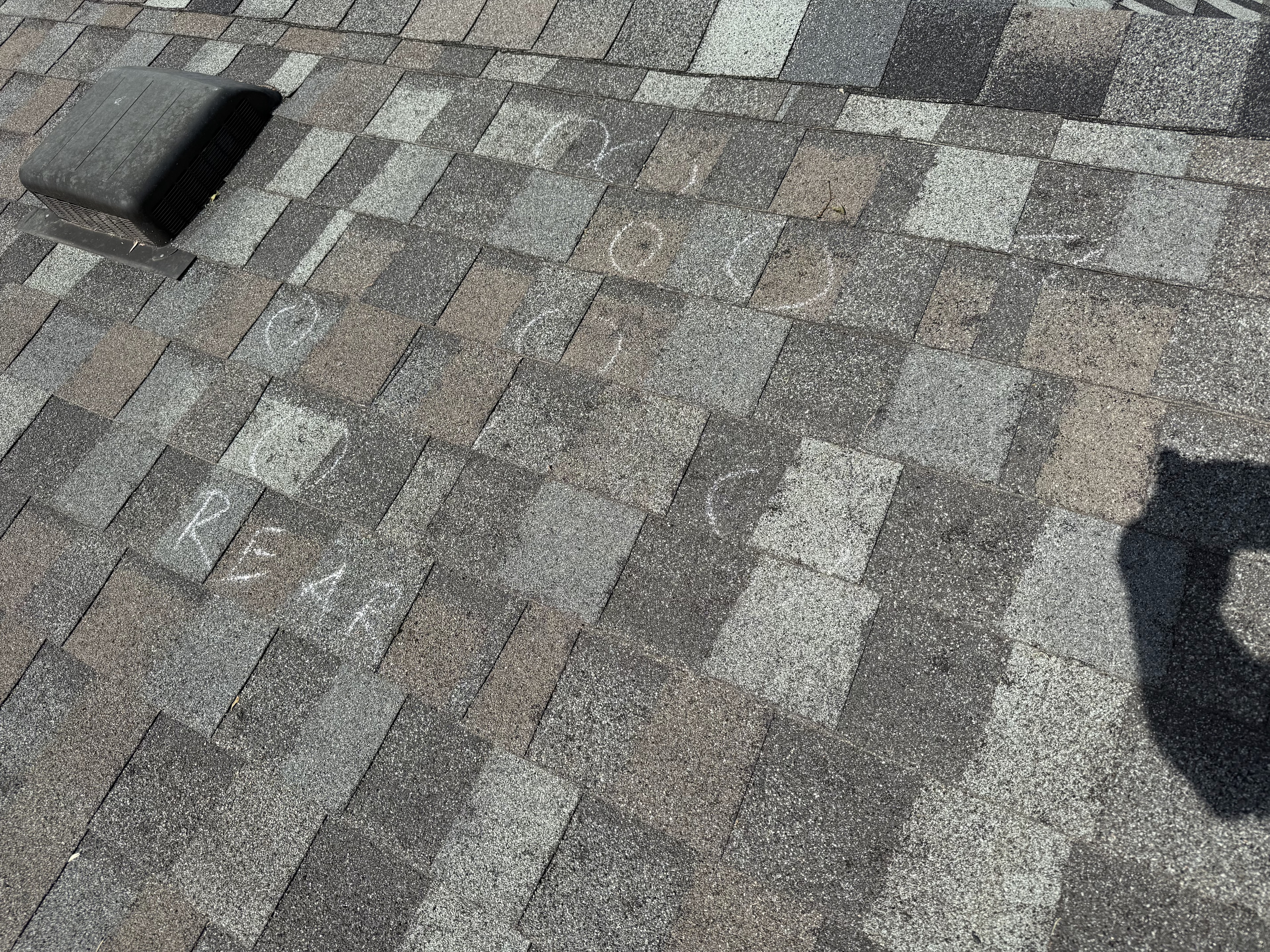
When large hailstones strike a roof they bruise the shingle, fracturing the underlying fiberglass mat without necessarily tearing the top layer. This impact also knocks loose the protective ceramic granules that shield the asphalt from the sun. Once those granules are gone, the sun's harsh UV rays bake the exposed asphalt, causing it to crack, blister, and fail.
High winds often tag along with these storms as well. They lift shingles just enough to break their factory glue seals, allowing the next heavy downpour to drive water straight underneath your defenses.
Why Most Homeowners Miss It
The problem with hail damage is that it does not announce itself. You walk outside after a storm, look up at the roof from the driveway, and everything looks fine. No missing shingles, no obvious holes.
The granule loss you cannot see from the ground is exposing raw asphalt to the Kansas sun. Within a year or two, those spots start to crack. Water finds its way in. By the time you notice a stain on your ceiling, the damage has already spread to the decking, insulation, and framing beneath.
That is the real cost of skipping a post-storm inspection.
The Real Value of a Post-Storm Checkup
Calling a local, trusted roofing pro for a quick look right after a major storm is one of the most cost-effective things you can do as a homeowner. Here is why:
1. Catching Hidden Damage Early
Professional inspectors know exactly how to tell the difference between normal aging and fresh storm damage. They do not just glance at the shingles from the ground. They check the metal flashing around chimneys, inspect vent pipes, look for subtle impact bruises, and assess the granule loss that signals a compromised shingle. Catching this damage early means a minor repair instead of a full replacement.
2. Navigating Insurance Timelines
Most homeowner's insurance policies have a strict countdown — often just one year from the date of the storm — to file a claim for hail or wind damage. If you wait until a leak finally breaks through two or three years later, your claim will likely be denied. You will be left holding the bag for a massive out-of-pocket roof replacement.
3. Saving Thousands in Secondary Repairs
Fixing a handful of bruised or blown-off shingles is a quick, inexpensive maintenance task. But if those damaged shingles are left exposed to the elements, water will find its way inside. What starts as a minor shingle repair can snowball into rotted decking, damaged insulation, mold in the attic, and ceiling repairs inside the home. A post-storm inspection that costs you nothing can easily save you thousands of dollars down the road.
What We Look for During a Roof Inspection
Here is what a thorough post-storm inspection covers:
Shingle condition: bruising, cracking, blistering, and granule loss from hail impacts
Wind damage: lifted, curled, or missing shingles with broken seal strips
Flashing: metal around chimneys, skylights, and vents that can be bent or separated by hail
Gutters and downspouts: dents and dings in gutters are one of the clearest signs of a significant hail event
Roof valleys: areas where two roof planes meet are especially vulnerable to water intrusion
Soffit and fascia: hail often damages these painted wood surfaces along the roofline
How Bad Does Hail Have to Be?
A common question we hear is: "The hail was not that big — do I really need an inspection?"
The honest answer is yes. Hail as small as three-quarters of an inch in diameter — about the size of a penny — can cause meaningful granule loss on asphalt shingles. You do not need golf-ball-sized hail to end up with a compromised roof. In fact, some of the worst damage we see comes from moderate hail events that homeowners dismissed as "not that bad."
If your area received any measurable hail, it is worth a quick look.
Protect Your Investment
Worried your roof took a hit during the last storm? Contact us today to schedule your post-storm roof inspection. We serve Wichita and the surrounding area — including Derby, Andover, Newton, Hutchinson, and Maize — and we will give you an honest assessment with no pressure and no surprises.